- Industry News
- November 13, 2026
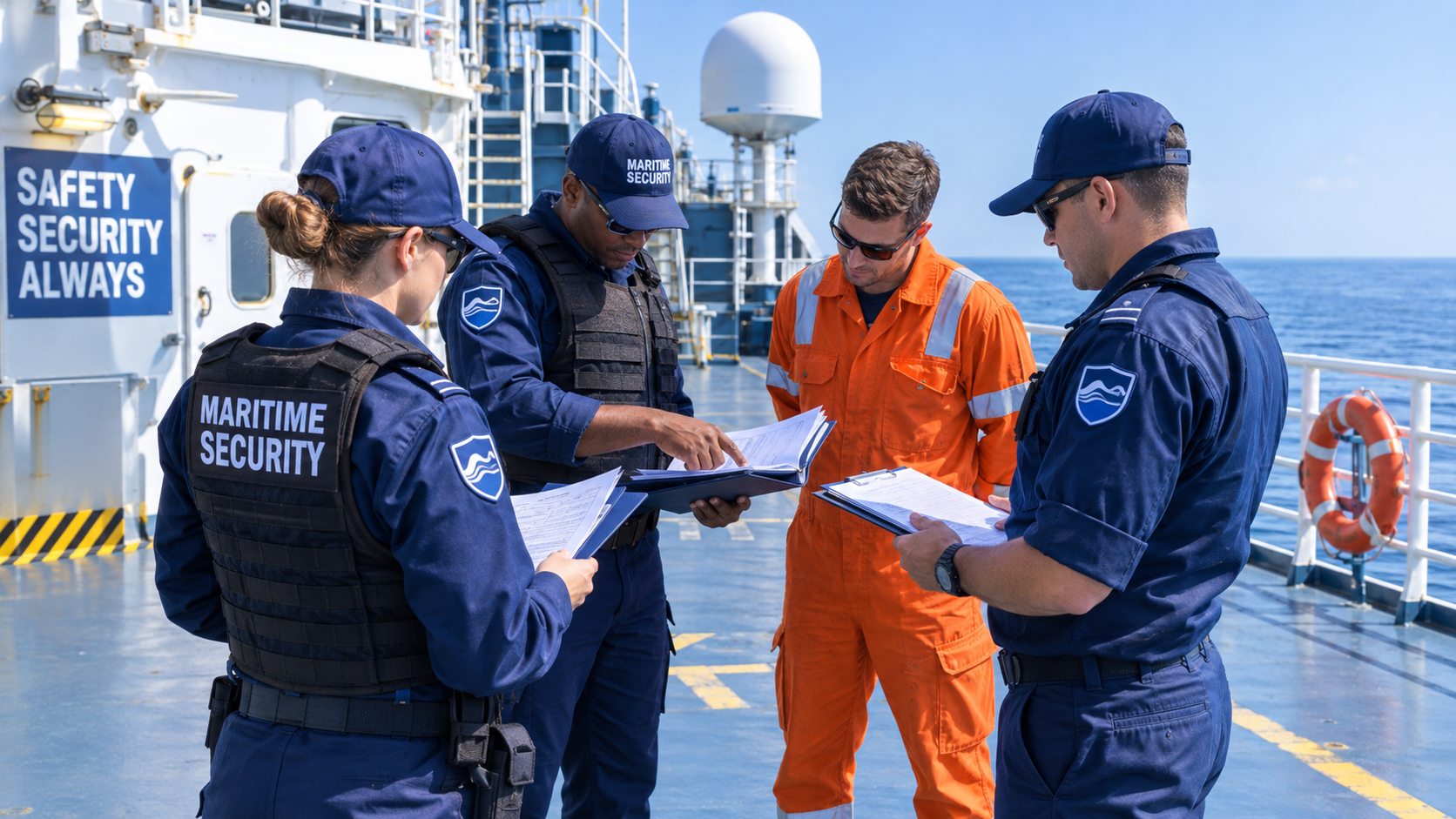
Maritime Security CV Essentials
Introduction
A strong maritime security CV shows exactly what you can deliver onboard: where you have worked, what you did, and how you performed under real operational conditions. For recruiters and operations teams, clarity and relevance to ship security roles matter far more than lengthy descriptions or generic security summaries.
For MS Security Group deployments, your CV should make your suitability obvious at a glance by presenting sea-going experience, certifications, conduct, and deployment readiness in a structured, evidence-based way.
Industry context
Modern vessel protection operates in a complex environment shaped by piracy, armed robbery at sea, organised smuggling, and evolving cyber-enabled threats. Shipowners and operators must demonstrate robust compliance with ISPS and IMO frameworks while also managing routing risk through high-threat regions, congested ports, and chokepoints vulnerable to stowaways and cargo crime. A focused maritime security CV allows recruiters to align your skills with practical risk controls: watch routines that protect crew and cargo, access control that prevents unauthorised boarding, incident reporting that supports flag and company compliance, and professional conduct that sustains safe operations in close quarters.
Because ship security teams work in small, mixed-nationality crews, your documented ability to follow procedures, support bridge and deck teams, and maintain clear communication directly affects crew safety and the effectiveness of anti-piracy, anti-smuggling, and anti-stowaway measures. Your CV is therefore not only a hiring tool but also a risk indicator for how you are likely to perform under pressure in real maritime environments.
Practical measures
- Make operational experience easy to scan. For each role, list vessel type (e.g. container, Ro-Ro, ferry, offshore support), area of operations, mission purpose (vessel protection, access control, anti-stowaway, patrols), watch schedule, chain of command, and incident responsibilities.
- Evidence compliance and training. Include SIA or recognised equivalents, any STCW and maritime security courses, first aid, medical certificates, and additional safety training, with accurate dates and issuing authorities so recruiters can verify compliance quickly.
- Show conduct and reliability in close quarters. Note rotation punctuality, contract completion, low incident history, positive handover notes, and examples of conflict management, teamwork, and communication that demonstrate professional behaviour onboard.
- Prove deployment readiness. Clearly state passport nationality and validity, visa status or readiness, medical and fitness status, and your realistic availability window and willingness to work structured rotations in different regions.
- Translate land-based experience for maritime roles. If most of your background is ashore, reframe tasks such as access control, patrols, CCTV monitoring, incident reporting, and crowd management into outcomes that are relevant to shipboard life, and highlight any port, transport hub, or logistics exposure.
Further resources
To understand how maritime security skills are applied in real operations and to align your CV with current deployment requirements, review our core vessel protection and risk management capabilities on the MS Security Group what we do page. You can also explore our wider maritime and port security solutions on the services overview to see how different roles contribute to end-to-end security.
Source
Original article: LinkedIn draft on maritime security CVs
Careers
If you're interested in joining our team, apply here: Join MS Security.
Prepared by MS Security Group — experts in vessel protection, anti-piracy, and counter-narcotics operations.