- Industry News
- June 25, 2026
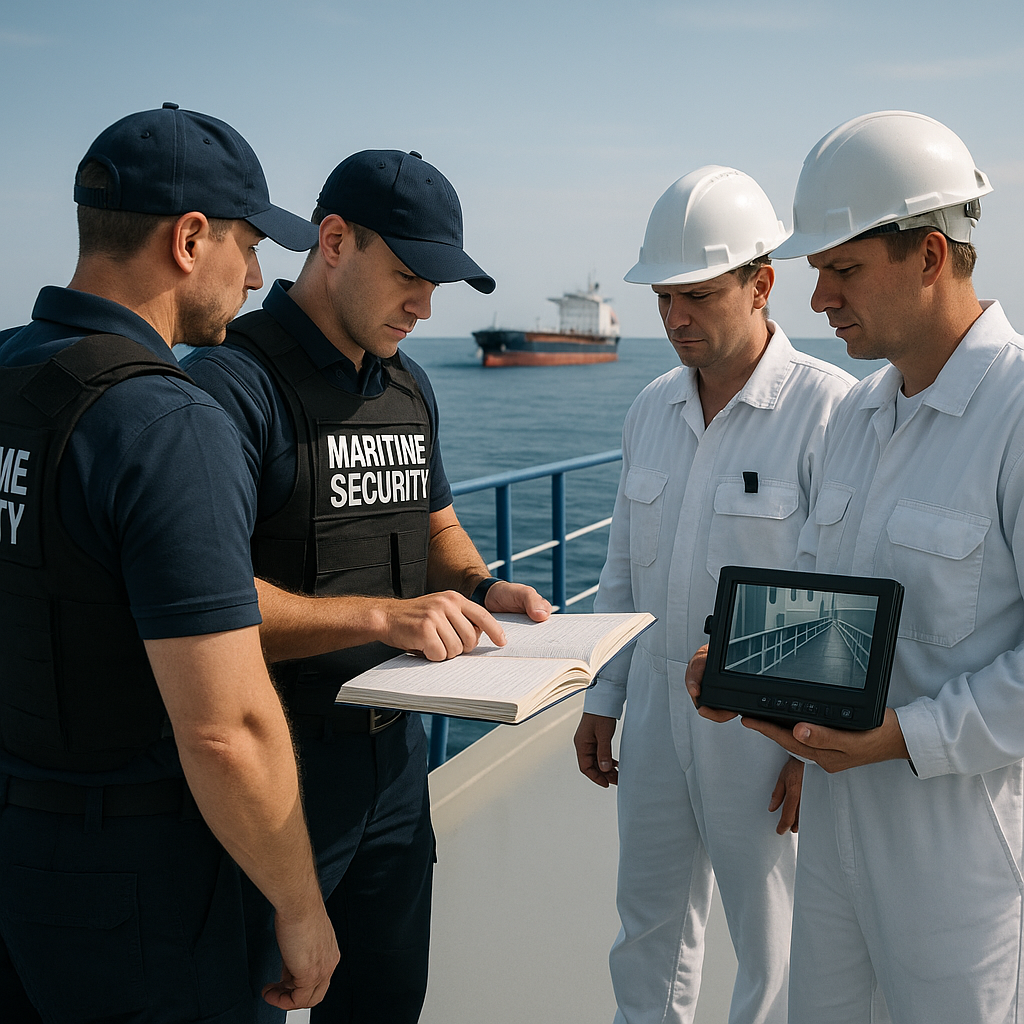
Maritime Incident Reporting Basics
Introduction
Effective maritime incident reporting begins the moment something looks abnormal onboard. Security teams must capture what happened, when, where, and who was involved, in a format that can be understood by clients, auditors, and Flag or Port State authorities. Clear documentation underpins both regulatory compliance and practical learning for the next voyage.
For vessel protection teams and onboard security officers, mastering incident logs, evidence handling, and client-ready reporting is now a core professional skill, whether operating in high-risk areas or on routine ferry and cargo routes.
Industry context
Robust reporting procedures help shipowners and operators manage threats ranging from piracy and armed robbery to stowaway smuggling, cargo tampering, and cyber-enabled interference with navigation systems. A structured security log allows patterns of suspicious behaviour to be identified across multiple calls or voyages, supporting better routing decisions, port risk assessments, and use of maritime intelligence.
From an ISPS and IMO perspective, objective, time-stamped records demonstrate that Ship Security Plans are being followed and that the master, Ship Security Officer, and any embarked security personnel are applying escalation thresholds consistently. In practice this means documenting threat indicators, non-compliance, injuries, damage, and repeated suspicious approaches, as well as the decision points that led to raising the Ship Security Level or notifying coastal and company authorities.
Reliable incident documentation also protects crew safety and commercial interests. It supports insurance claims, charter party obligations, and internal investigations after a security event. For cyber and information security, accurate logs of system anomalies, access attempts, or spoofed communications can be vital to understanding whether a navigation or cargo system has been compromised and what mitigation was taken onboard.
Practical measures
- Maintain real-time security logs: Record incidents as they unfold with precise times, positions, persons involved, actions taken, and clear escalation points, using a consistent template that aligns with shipboard procedures.
- Apply clear escalation thresholds: Treat threat indicators, physical harm, damage, non-compliance, or repeated suspicious activity as triggers to inform the master and follow the agreed security officer and client reporting chain without delay.
- Secure and catalogue evidence: Preserve CCTV exports, photographs, AIS/radar screenshots, radio and phone records, and written witness statements, referencing each item in the report and keeping originals uncontaminated.
- Write objective, client-ready narratives: Use chronological, factual language with no opinions or assumptions, clearly stating who was notified, what response was directed, and any outcomes or recommendations linked to onboard procedures.
- Capture end-of-watch and post-incident summaries: Produce concise handover notes and final incident reports that support company audits, ISPS-aligned reviews, and lessons learned for future transits and port calls.
Further resources
For an overview of how professional vessel protection reporting supports wider risk management and compliance, explore our dedicated services pages at MS Security Group services. You can also learn more about our operational capabilities and reporting standards by visiting what we do at MS Security Group.
Source
Original article: LinkedIn – MS Security incident reporting post
Careers
If you're interested in joining our team, apply here: Join MS Security.
Prepared by MS Security Group — experts in vessel protection, anti-piracy, and counter-narcotics operations.